
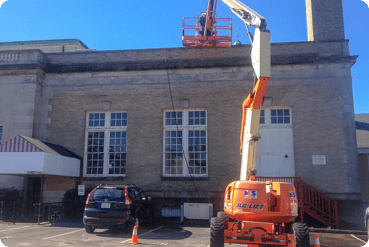
Stone lintels play a critical structural role in supporting the weight above windows, doors, and other masonry openings. Over time, exposure to moisture, weather changes, and natural aging can cause these elements to weaken. When stone lintels begin to fail, the surrounding masonry becomes unstable, increasing the risk of cracks, shifting, and even partial collapse. Professional stone lintel repair services and replacement services are essential for maintaining building safety and long-term stability.
This blog explains the warning signs of stone lintel failure, the structural risks involved, and how timely repair or replacement helps restore safety and prevent costly masonry damage.
How Stone Lintels Weaken Over Time
Stone lintels are constantly exposed to environmental stress, and gradual deterioration is often unavoidable. Moisture penetration, freeze-thaw cycles, and material fatigue all contribute to their weakening.
Key causes of lintel deterioration include:
- Water infiltration and prolonged moisture exposure
- Freeze-thaw expansion causing internal cracking
- Rusting of hidden steel supports (if present)
- Heavy structural load from upper masonry
- Natural aging of stone and mortar joints
Warning Signs of Stone Lintel Failure
Recognizing early indicators of damage is essential for preventing costly structural repairs. Listed below are some signs of stone lintel failure:
Visible cracks above windows and doors
Cracks forming in a horizontal or stair-step pattern above openings often indicate that the lintel is no longer distributing weight evenly. These cracks tend to widen over time if moisture continues to penetrate the structure.
Sagging or uneven masonry
When a stone lintel begins to fail, the brickwork or stone above it may start to dip or shift downward. This is a strong indication that structural support is weakening.
Water staining and damp patches
Moisture marks near lintels often suggest water infiltration. Over time, this can accelerate internal stone decay and weaken the surrounding masonry structure.
Separation between masonry joints
Gaps forming between bricks or stones around window and door frames often signal movement caused by lintel stress or failure.
Structural Risks of Ignoring Lintel Damage
Delaying repairs can significantly increase the risk of structural instability. As lintels continue to deteriorate, they may no longer support the load above openings, leading to serious safety hazards.
Potential risks include:
- Partial collapse of the surrounding masonry
- Worsening wall cracks and façade instability
- Increased moisture penetration into interior spaces
- Costly large-scale structural restoration needs
In severe cases, untreated lintel failure can compromise the integrity of the entire wall section.
Timely Repair and Replacement Solutions
Professional intervention is essential when lintel damage is detected. Depending on the severity, repair or full replacement may be required. Experienced contractors may reinforce surrounding masonry, install new structural supports, or replace the damaged lintel entirely to restore stability.
Specialized stone lintel repair & replacement services ensure that both structural integrity and architectural appearance are preserved, especially in historic or older properties.
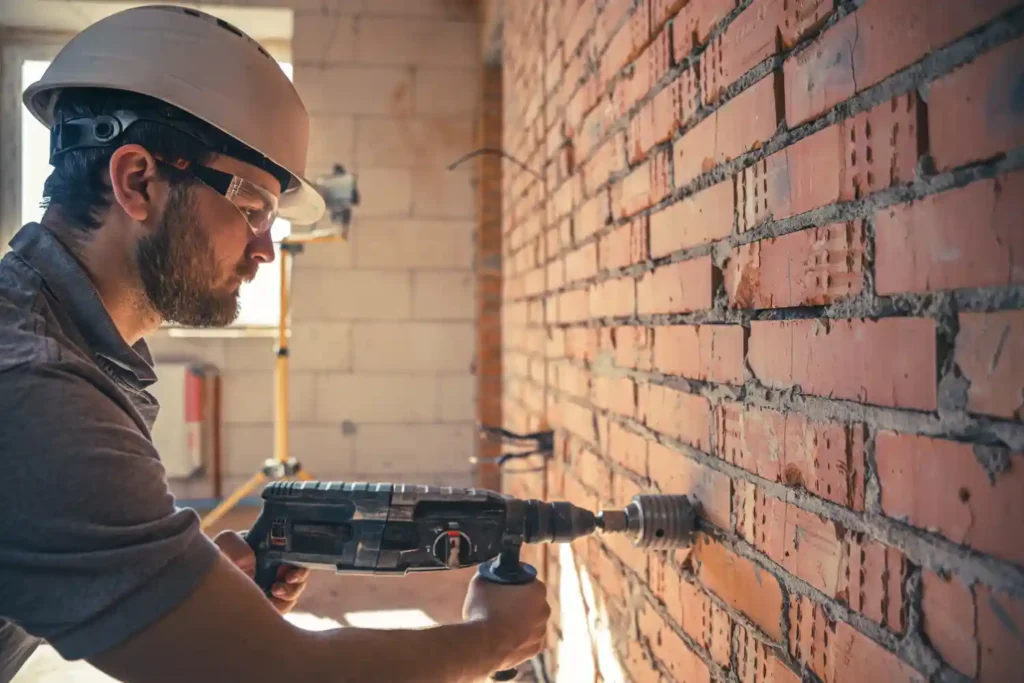
Protect Your Property with Expert Lintel Restoration
Stone lintel failure is not just a cosmetic issue—it is a serious structural concern that can worsen quickly if ignored. Our team at AMN Masonry specializes in professional stone lintel repair & replacement services designed to restore safety, stability, and long-term durability to your property. From early warning signs to full structural replacement, we provide reliable solutions tailored to your building’s needs.
Contact us today to schedule an inspection and prevent costly structural damage before it begins.