
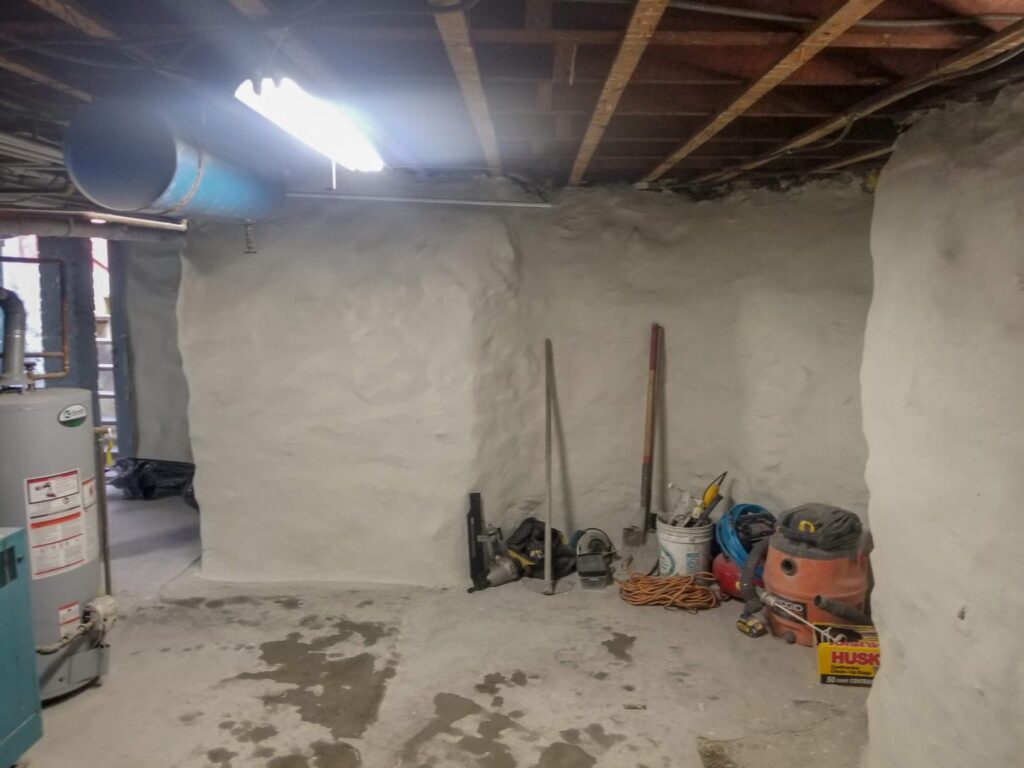
Water creates some of the most serious threats to masonry buildings. Many older Boston properties feature brick and stone exteriors that deliver timeless character and durability. However, constant exposure to moisture can gradually weaken these materials and compromise structural stability. Property owners who understand the effects of water intrusion can take action before minor issues develop into costly repairs.
Professional foundation waterproofing and a reliable waterproofing service play a critical role in protecting masonry structures from long-term damage.
How Moisture Penetrates Masonry Surfaces
Brick, stone, and mortar contain tiny pores that absorb water over time. Rain, snow, humidity, and groundwater expose masonry surfaces to constant moisture. As water enters these materials, it travels through small cracks and gaps within the structure.
Older buildings often face greater risks because aging mortar joints lose strength and flexibility. Once water reaches deeper layers of the masonry, it can trigger a chain reaction of deterioration that affects both appearance and structural integrity.
The Impact on Brickwork
Water infiltration can significantly weaken brick surfaces. During Boston’s freeze-thaw cycles, trapped moisture expands when temperatures drop and contracts when temperatures rise. This repeated movement places stress on the brick and causes surface deterioration.
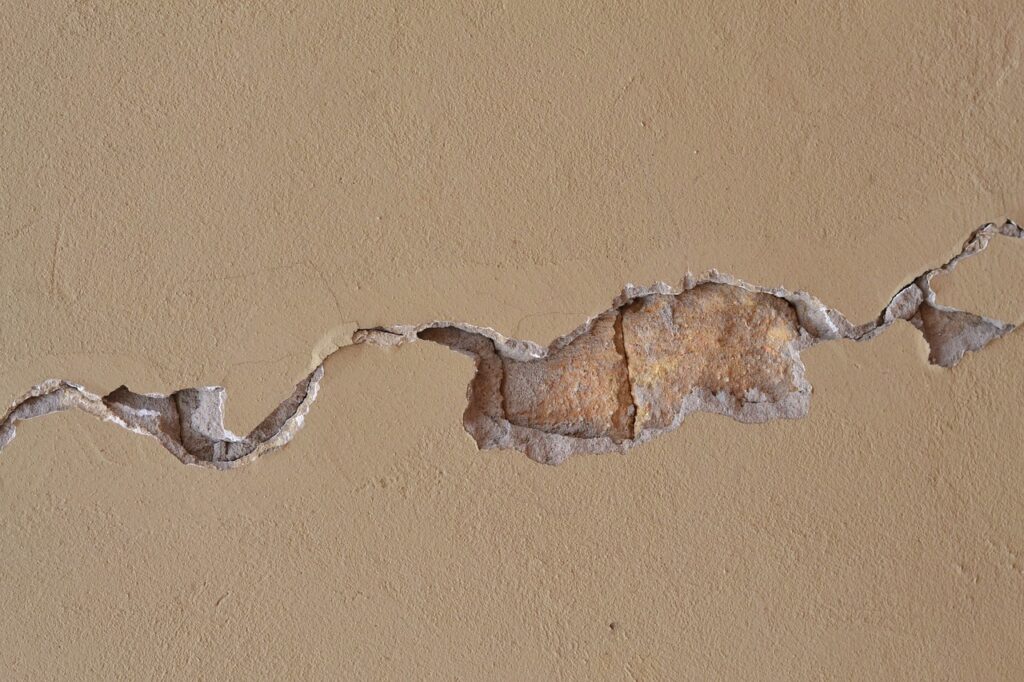
Property owners may notice flaking, cracking, or crumbling bricks as damage progresses. These issues reduce the strength of the wall and create additional pathways for water penetration. Without timely repairs, damaged brickwork can lead to larger structural concerns that require extensive restoration.
Why Mortar Joints Deteriorate
Mortar joints hold masonry units together and help distribute structural loads. Water often targets these joints first because mortar absorbs moisture more readily than brick or stone.
As moisture breaks down the mortar, joints begin to crack, erode, and separate. Gaps between masonry units allow even more water to enter the wall system. This cycle accelerates deterioration and weakens the overall structure.
Regular inspections and restoration work help maintain strong mortar joints and prevent widespread damage.
How Water Affects Stone Structures
Stone offers exceptional durability, but prolonged moisture exposure can still cause problems. Water carries salts and minerals through porous stone surfaces. As these substances accumulate, they create staining, discoloration, and surface degradation.
Some stones also develop cracks when repeated freeze-thaw cycles place pressure on internal pores. Over time, water damage can alter the appearance of stone facades and reduce their ability to withstand environmental stress.
Proper maintenance and targeted waterproofing measures help preserve both the beauty and performance of stone structures.
Protect Your Masonry with Expert Waterproofing Solutions
At AMN Masonry, we understand the unique challenges that moisture creates for brick and stone structures. Our team provides expert foundation waterproofing, basement waterproofing, and complete waterproofing solutions designed to protect your property from long-term damage. As trusted waterproofing contractors, we deliver reliable foundation waterproofing in Boston that helps preserve structural integrity and prevent costly repairs.
Contact us today to schedule an assessment and keep your masonry strong, durable, and protected for years to come.