
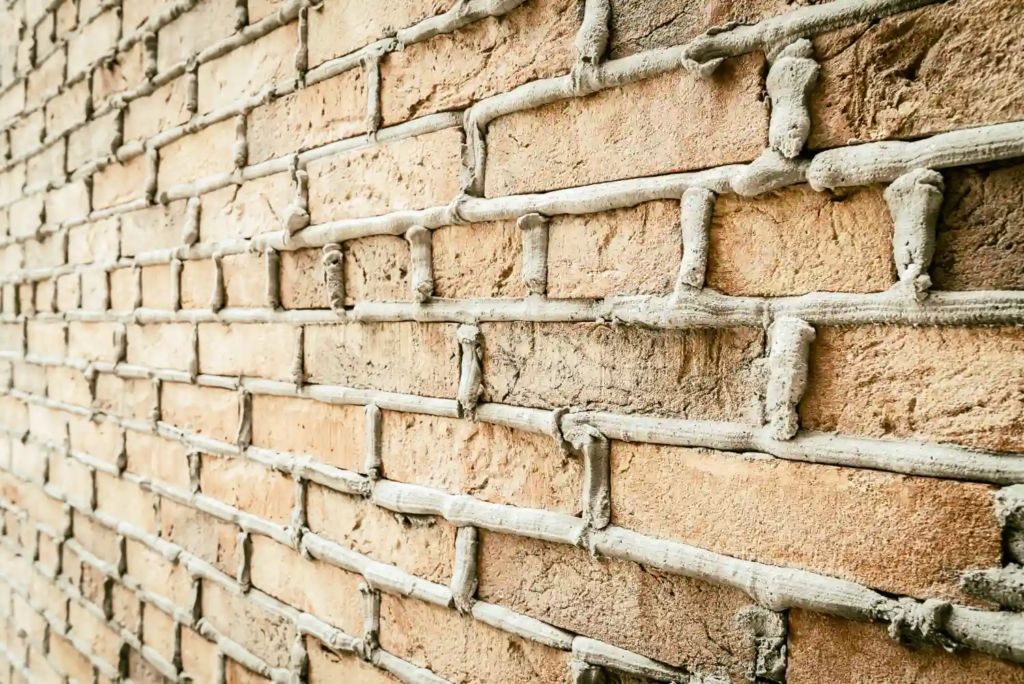
Water intrusion is one of the most common causes of structural damage in homes and commercial buildings. In a climate like Boston, where heavy rain, snow, and freeze-thaw cycles are frequent, protecting your foundation from moisture is essential. Even small cracks or drainage issues can allow water to seep into the basement, leading to mold growth, structural weakening, and costly repairs.
This is why many property owners rely on experienced foundation waterproofing contractors to protect their buildings. Professional waterproofing not only prevents water damage but also supports the long-term durability of your entire structure. Understanding what happens during the waterproofing process can help you feel confident when scheduling this essential service.
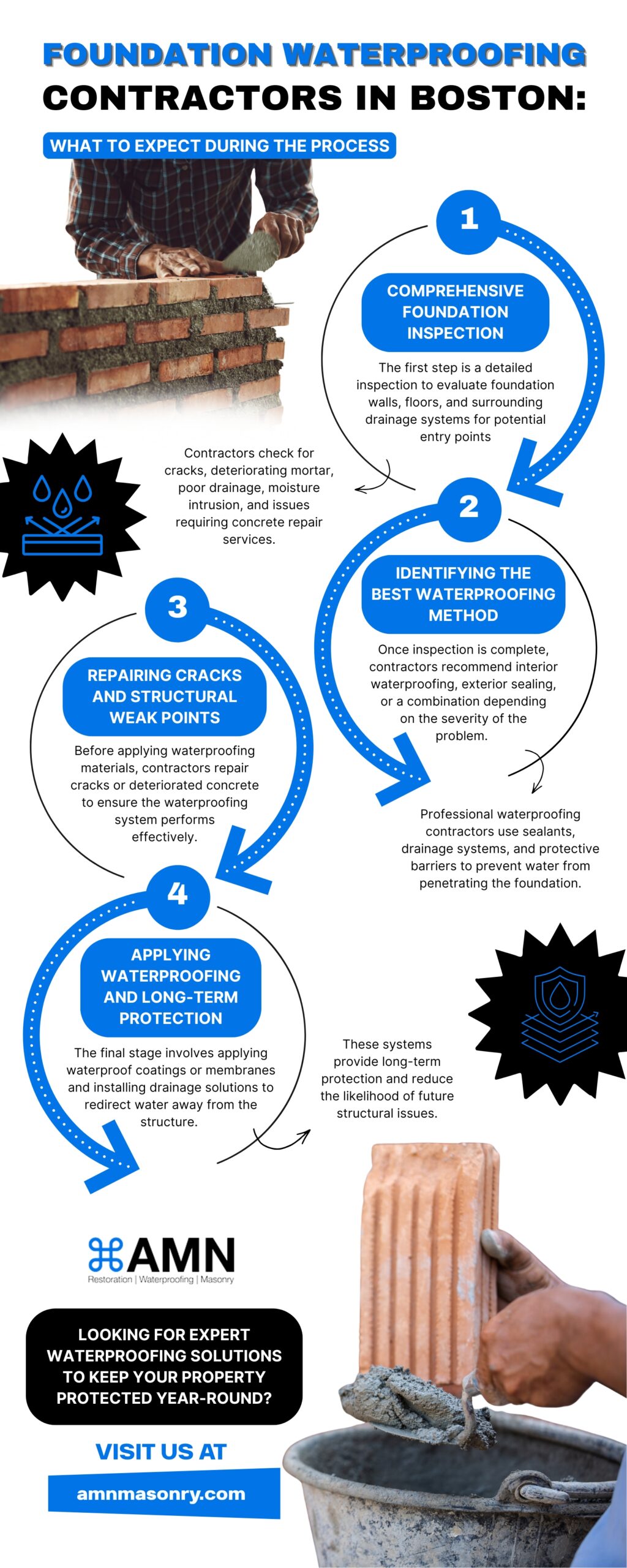
Step 1: Comprehensive Foundation Inspection
The first step in professional foundation waterproofing services is a detailed inspection. Contractors evaluate the condition of your foundation walls, floors, and surrounding drainage systems to identify potential entry points for water.
During this assessment, specialists may check for cracks, deteriorating mortar, poor drainage, or signs of moisture intrusion. In some cases, issues requiring concrete repair services may also be identified to restore structural integrity before waterproofing begins.
Step 2: Identifying the Best Waterproofing Method
Once the inspection is complete, contractors recommend the most effective waterproofing solution for the property. This may involve interior waterproofing, exterior sealing, or a combination of both depending on the severity of the problem.
Professional waterproofing contractors often use advanced sealants, drainage systems, and protective barriers to prevent water from penetrating the foundation. These solutions help reduce the risk of basement flooding and minimize the need for emergency water damage restoration services.
Step 3: Repairing Cracks and Structural Weak Points
Before applying waterproofing materials, contractors repair visible damage such as cracks or deteriorated concrete. These repairs ensure the waterproofing system performs effectively and prevents future leaks.
In some cases, the process may also involve related structural improvements like brick and stone restoration or masonry repairs if the foundation connects with exterior brick or stone walls.
Step 4: Applying Waterproofing and Long-Term Protection
The final stage involves applying waterproof coatings, sealants, or membranes designed to block moisture from entering the foundation. Drainage solutions may also be installed to redirect water away from the structure.
These systems provide long-term protection and can significantly reduce the likelihood of future structural issues. Professional foundation waterproofing greater services often work alongside broader building restoration services to ensure the entire structure remains protected.
Protect Your Property from Costly Water Damage
Water damage can spread quickly if foundation issues are left untreated. Working with experienced foundation waterproofing contractors in Boston helps property owners prevent structural deterioration, protect indoor air quality, and extend the life of their buildings.
If you’ve noticed basement moisture, wall cracks, or water pooling near your foundation, it may be time to take action.
Contact AMN Masonry today for expert waterproofing solutions and keep your property protected year-round.