
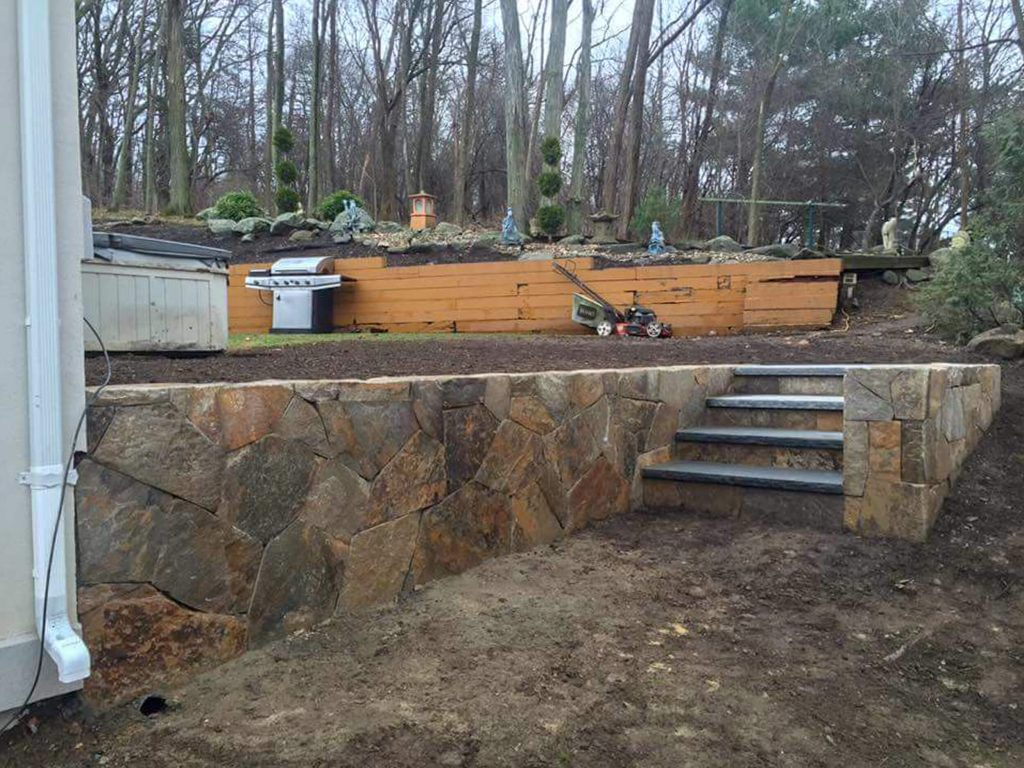
Retaining walls play a critical role in supporting soil, controlling erosion, and protecting landscapes from structural instability. In Boston, changing weather conditions, moisture exposure, and soil movement can place constant pressure on retaining walls over time. When these structures begin to crack, lean, or weaken, the surrounding property may become vulnerable to drainage problems, collapsing soil, and foundation damage. Professional retaining wall repair services help restore stability while protecting both residential and commercial properties from long-term damage.
This blog explores the common causes of retaining wall failure, the risks associated with structural deterioration, and the professional repair solutions used to restore safety and durability.
Common Causes of Retaining Wall Damage
Retaining walls are constantly exposed to environmental pressure and structural stress. Over time, several factors can contribute to deterioration and instability.
Water Pressure and Poor Drainage
One of the leading causes of retaining wall failure is excess water buildup behind the structure. When drainage systems fail or water cannot properly escape, hydrostatic pressure increases against the wall. This pressure can eventually cause cracking, bulging, leaning, or complete structural failure.
Soil Movement and Freeze-Thaw Cycles
Boston’s seasonal weather changes cause soil to expand and contract throughout the year. Freeze-thaw cycles place repeated stress on retaining walls, especially when moisture enters small cracks within the structure. Over time, shifting soil and expanding water can weaken the wall’s foundation and structural support.
Reliable retaining wall restoration services address both visible damage and underlying soil stability issues to help prevent future movement.
Aging Materials and Structural Wear
Older retaining walls naturally experience wear due to years of exposure to moisture, heavy loads, and environmental conditions. Deteriorating masonry joints, weakened concrete, and corroded reinforcement materials can reduce the wall’s ability to safely retain soil pressure.
Structural Risks of Ignoring Retaining Wall Damage
Damaged retaining walls can create serious safety and structural concerns if repairs are delayed. As retaining walls weaken, the surrounding soil may begin shifting or eroding. This can lead to collapsing sections of landscaping, unstable walkways, and damage to nearby structures. In severe cases, wall failure may create dangerous conditions for both property occupants and pedestrians.
Professional Repair Solutions for Retaining Walls
Professional repair methods vary depending on the severity of the damage and the condition of the wall. Contractors may reinforce foundations, replace damaged masonry, improve drainage systems, or rebuild unstable sections to restore proper structural support.
Experienced commercial restoration contractors use specialized repair techniques designed to strengthen retaining walls while improving long-term stability and safety.
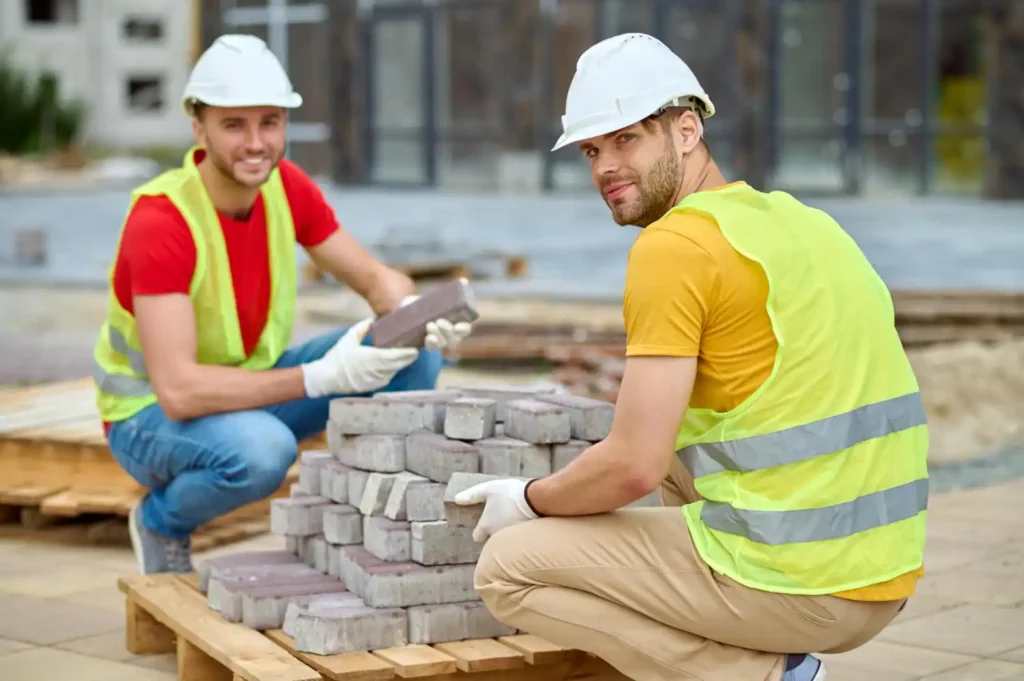
Restore Stability with Professional Retaining Wall Repair Services
Ignoring retaining wall damage can lead to serious structural risks, drainage problems, and costly property damage over time. Our team at AMN Masonry specializes in professional retaining wall repair services designed to restore structural stability and protect properties from ongoing deterioration.
Contact us today to schedule an inspection and restore the safety and durability of your property.